

Discovering the Power of Reiki for Stress Relief

Updated: Dec 8, 2025
Understanding Stress Relief with Reiki
Reiki is a Japanese energy healing practice that involves the transfer of universal life energy through the hands of a practitioner to the recipient. This energy flow is believed to promote relaxation, balance, and healing on physical, emotional, and spiritual levels.
When it comes to stress relief, Reiki works by:
Calming the nervous system: Reiki helps activate the parasympathetic nervous system, which is responsible for the body’s rest and digest response. This reduces the production of stress hormones like cortisol.
Balancing energy centers: Reiki targets chakras or energy centres in the body, clearing blockages that may contribute to emotional distress.
Encouraging mindfulness and presence: The experience of receiving Reiki often brings a deep sense of peace and mindfulness, helping individuals detach from anxious thoughts.
For example, a person feeling overwhelmed by work pressure might find that a Reiki session helps them feel more grounded and centred, making it easier to cope with daily challenges.

How Reiki Sessions Help Manage Anxiety
Anxiety often manifests as a persistent feeling of worry or fear, accompanied by physical symptoms such as rapid heartbeat, muscle tension, and shallow breathing. Reiki can address these symptoms by:
Promoting deep relaxation: The gentle touch and energy flow during Reiki induce a state of calm that can lower heart rate and ease muscle tension.
Supporting emotional release: Reiki sessions may help release trapped emotions, allowing individuals to process and let go of anxiety triggers.
Improving sleep quality: Many people report better sleep after Reiki, which is crucial for managing anxiety effectively.
Enhancing self-awareness: Reiki encourages a connection with one’s inner self, fostering greater emotional resilience.
A practical tip for those experiencing anxiety is to schedule regular Reiki sessions, ideally once a week or bi-weekly, to maintain a steady sense of calm and balance.
The Science Behind Reiki and Stress Reduction
While Reiki is considered a complementary therapy, scientific studies have begun to explore its effects on stress and anxiety. Research suggests that Reiki may:
Reduce cortisol levels, the hormone associated with stress.
Lower blood pressure and heart rate.
Increase feelings of well-being and relaxation.
One study found that patients receiving Reiki before surgery experienced less anxiety and required less pain medication afterward. These findings support the idea that Reiki can be a valuable tool in managing stress-related conditions.
It is important to note that Reiki should not replace conventional medical treatment but can be used alongside it to enhance overall care.
Practical Tips for Incorporating Reiki into Your Stress Management Routine
If you are interested in exploring Reiki for stress relief, here are some actionable recommendations:
Find a qualified Reiki practitioner: Look for someone certified and experienced.
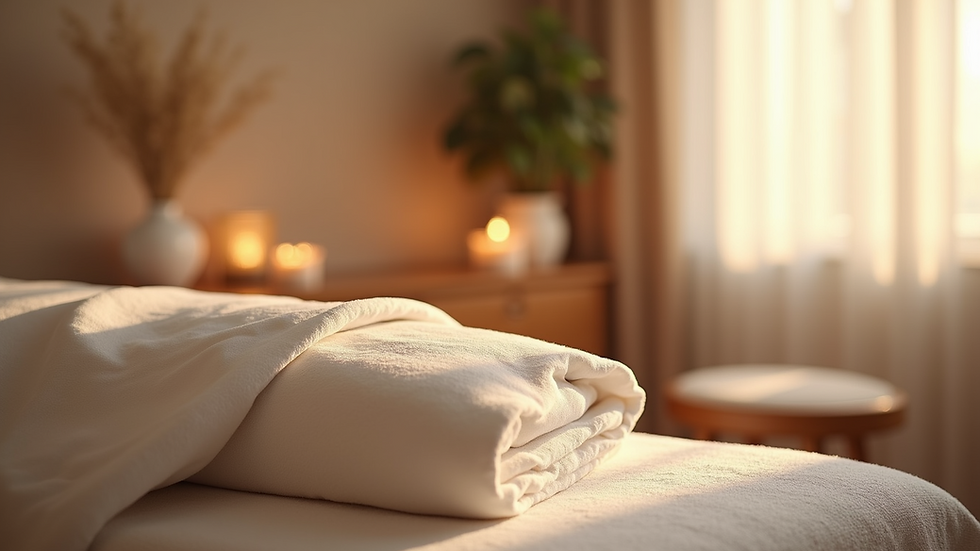
Create a calm environment: Whether at home or in a clinic, a quiet and comfortable space enhances the Reiki experience.
Set clear intentions: Before your session, think about what you want to achieve, such as reducing anxiety or improving sleep.
Practice self-Reiki: Learning simple hand positions allows you to perform Reiki on yourself daily, supporting ongoing stress management.
Combine Reiki with other relaxation techniques: Meditation, deep breathing, and gentle yoga complement Reiki’s effects. Discover Reiki meditation techniques at Healing.Barcelona.
By integrating Reiki into your lifestyle, you can build a holistic approach to managing stress and anxiety.
Exploring the Benefits of Reiki Healing
The benefits of Reiki healing extend beyond stress and anxiety relief. Reiki is known to:
Enhance emotional clarity and mental focus.
Support physical healing and pain reduction.
Boost energy levels and vitality.
Promote spiritual growth and self-awareness.
These advantages make Reiki a versatile and accessible healing method for many people seeking balance in their lives.
Embracing a Calmer, More Balanced Life with Reiki
Stress and anxiety can feel overwhelming, but Reiki offers a gentle path toward relief and restoration. By calming the nervous system, releasing emotional blockages, and fostering mindfulness, Reiki helps individuals regain control over their mental and emotional health.
Whether you are new to Reiki or looking to deepen your practice, incorporating this healing art into your routine can lead to lasting improvements in wellbeing. Consider reaching out to a trusted practitioner or exploring self-Reiki techniques to experience the transformative power of this ancient energy healing method.
Take the first step today toward a calmer, more balanced life with Reiki. Book a Reiki session.
Additional Insights on Reiki and Wellbeing
The Role of Energy in Healing
Energy plays a crucial role in Reiki. Practitioners believe that the flow of energy can influence physical and emotional health. When energy is blocked, it can lead to stress and anxiety. Reiki helps to clear these blockages, promoting a smoother flow of energy throughout the body.
Reiki and Emotional Healing
Reiki is not just about physical relaxation; it also addresses emotional healing. Many individuals find that Reiki helps them process past traumas and emotional pain. This can lead to a greater sense of peace and emotional stability.
Building a Supportive Community
Engaging with a community of Reiki practitioners and enthusiasts can enhance your experience. Sharing experiences and insights can provide additional support and motivation on your healing journey.
Conclusion
In conclusion, Reiki offers a holistic approach to managing stress and anxiety. By understanding its principles and benefits, individuals can incorporate this gentle healing technique into their lives. Whether through regular sessions with a practitioner or self-Reiki practices, the potential for improved wellbeing is significant. Embrace the calming effects of Reiki and take steps toward a more balanced life today.


Comments